


-

Add: HeBei ShengShi HongBang Cellulose Technology CO.,LTD.
-

Email
13180486930@163.com -

CONTACT US
+86 13180486930
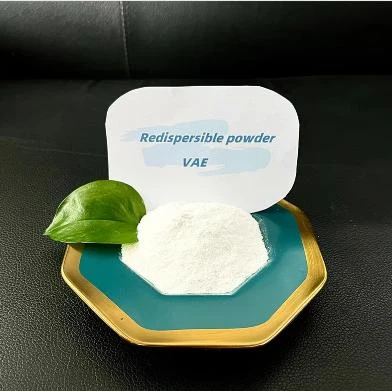


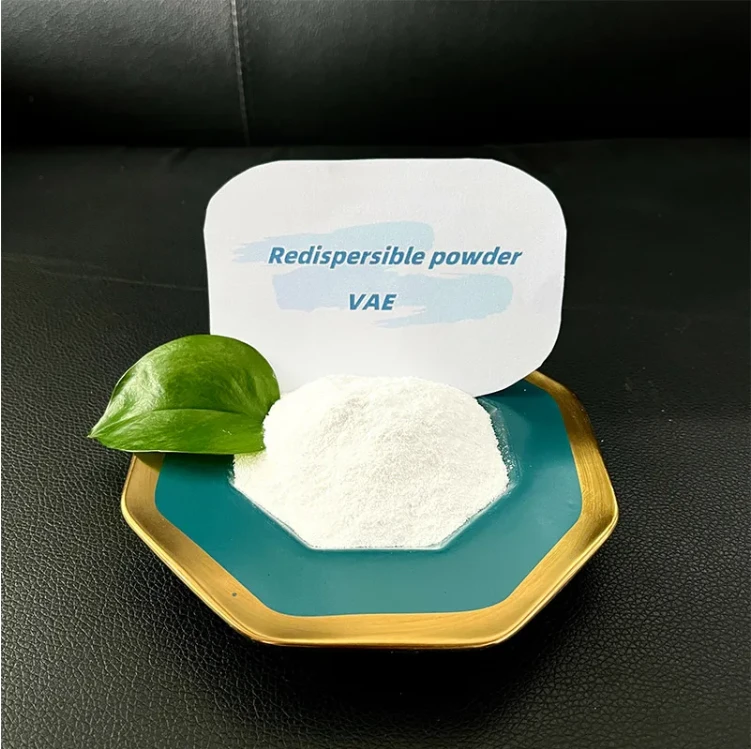
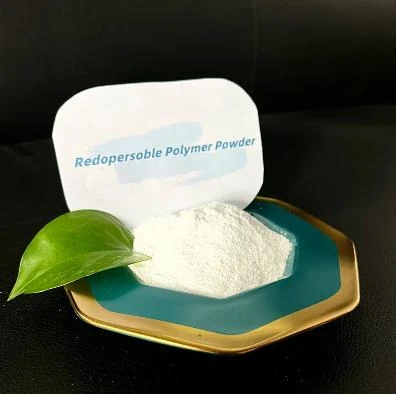
redispersible emulsion powder,redispersible latex powder,polymer powder,vae redispersible powder,redispersible powder is a key solution in the chemical industry industry, specifically within fine chemicals and Building Chemicals. This article explores how HeBei ShengShi HongBang Cellulose Technology CO.,LTD. supports professionals with durable, high-performance products, and explains why this product is an ideal choice for businesses in these sectors. Table of Contents redispersible emulsion powder,redispersible latex powder,polymer powder,vae redispersible powder,redispersible powder Overview Benefits & Use Cases of redispersible emulsion powder,redispersible latex powder,polymer powder,vae redispersible powder,redispersible powder in Building Chemicals Cost, Maintenance & User Experience Sustainability & Market Trends in chemical industry Conclusion on redispersible emulsion powder,redispersible latex powder,polymer powder,vae redispersible powder,redispersible powder from HeBei ShengShi HongBang Cellulose Technology CO.,LTD. redispersible emulsion powder,redispersible latex powder,polymer powder,vae redispersible powder,redispersible powder Overview Redispersible emulsion powder (often VAE redispersible powder) is a free-flowing polymer powder produced by spray-drying a waterborne emulsion and stabilizing it with a protective colloid. Upon contact with water, the redispersible latex powder forms a stable polymer dispersion that acts as a binder, improving adhesion, flexibility, and durability in cement- and gypsum-based systems. Typical building-chemicals grades are based on vinyl acetate–ethylene (VAE), with protective colloids such as PVA to ensure excellent redispersibility, workability, and storage stability. For formulators, this polymer powder enables targeted performance tuning—such as lowering minimum film formation temperature, enhancing tensile adhesion, improving deformability, and boosting abrasion resistance. Representative specifications include controlled particle size distribution, consistent bulk density, and optimized glass transition temperature (Tg) to balance flexibility and strength; specific values vary by grade and application and are provided on technical data sheets. HeBei ShengShi HongBang Cellulose Technology CO.,LTD. manufactures reliable VAE redispersible powder with tight quality control, multiple grades tailored to tile adhesives, skim coats, self-leveling underlayments, EIFS/ETICS systems, repair mortars, and waterproofing mortars—supporting consistent results from lab to large-scale production. Benefits & Use Cases of redispersible emulsion powder,redispersible latex powder,polymer powder,vae redispersible powder,redispersible powder in Building Chemicals In Building Chemicals, redispersible emulsion powder delivers measurable gains across many formulations. In tile adhesives, it improves wet and dry adhesion to challenging substrates, increases open time, and helps achieve slip resistance—facilitating upgrades from basic to higher performance classes. In EIFS/ETICS, VAE redispersible powder enhances flexibility and impact resistance of basecoats, helping systems tolerate thermal cycling. For skim coats and wall putties, polymer powder optimizes workability, reduces cracking, and improves surface quality. In self-leveling compounds, it strengthens cohesion, reduces dusting, and improves abrasion resistance without sacrificing flow. Cementitious waterproofing mortars benefit from reduced water permeability and improved crack-bridging. Key advantages versus alternatives include easy handling and dosing, excellent compatibility with cellulose ethers (such as HPMC), robust redispersibility, and proven performance in cement/gypsum matrices. HeBei ShengShi HongBang Cellulose Technology CO.,LTD. combines polymer know-how with application expertise, providing formulation guidance, rapid sampling, and consistent supply. Whether you need a flexible redispersible powder for deformable tile adhesives or a higher-Tg grade for abrasion resistance, our portfolio and technical service help B2B decision makers speed time-to-market and secure repeatable, specification-compliant outcomes. Cost, Maintenance & User Experience Total cost of ownership matters in competitive building chemicals markets. While unit cost of redispersible latex powder is higher than mineral fillers, the ROI comes from enhanced performance (better adhesion, crack resistance, cohesion), fewer jobsite callbacks, and upgraded product classifications that command price premiums. Improved workability and consistency also reduce production waste and simplify quality control. Many customers report smoother scale-up due to stable redispersibility and low dusting options that improve plant hygiene and dosing accuracy. From a maintenance perspective, polymer powder requires standard good practices: store sealed in a cool, dry area away from moisture; use on a first-in, first-out basis; and protect from caking. In finished products, the durability of VAE redispersible powder translates to longer service life for mortars and coatings, supporting life-cycle value. HeBei ShengShi HongBang Cellulose Technology CO.,LTD. offers grade selection support to optimize dosage—often in the 1–5% range depending on system—balancing performance and cost, and providing dependable logistics so your production schedules remain on track. Sustainability & Market Trends in chemical industry Sustainability is reshaping the chemical industry—especially in Building Chemicals, where low-VOC formulations, resource efficiency, and circularity are rising priorities. Redispersible powder helps by shipping the polymer “dry,” minimizing transport of water and reducing associated emissions. In many formulations, VAE-based polymer powder supports low-VOC targets and can help manufacturers design for compliance with evolving regional regulations. The shift toward energy-efficient buildings, renovation of aging infrastructure, and growth of EIFS/ETICS for thermal insulation are expanding the market for high-performance polymer binders. HeBei ShengShi HongBang Cellulose Technology CO.,LTD. invests in responsible production, quality systems, and continuous improvement to deliver consistent, high-performing redispersible emulsion powder solutions. By aligning portfolio development with standards and emerging regulatory expectations, and by supporting customers with clear documentation and technical data, we help B2B partners reduce risk, build greener products, and capture growth in premium segments. Our forward-looking approach ensures that both performance and sustainability requirements are met without compromise. Conclusion on redispersible emulsion powder,redispersible latex powder,polymer powder,vae redispersible powder,redispersible powder from HeBei ShengShi HongBang Cellulose Technology CO.,LTD. From tile adhesives and EIFS to self-leveling and waterproofing mortars, redispersible emulsion powder empowers Building Chemicals producers to achieve reliable adhesion, flexibility, and durability. HeBei ShengShi HongBang Cellulose Technology CO.,LTD. supplies high-quality VAE redispersible powder backed by application expertise and dependable service—helping B2B decision makers optimize performance, cost, and sustainability. Contact us: email: 13180486930@163.com Visit our website: https://www.sshbhpmc.com
- 40000tons

Production
- 20+years

Experience
- 5000+㎡

Acreage

-
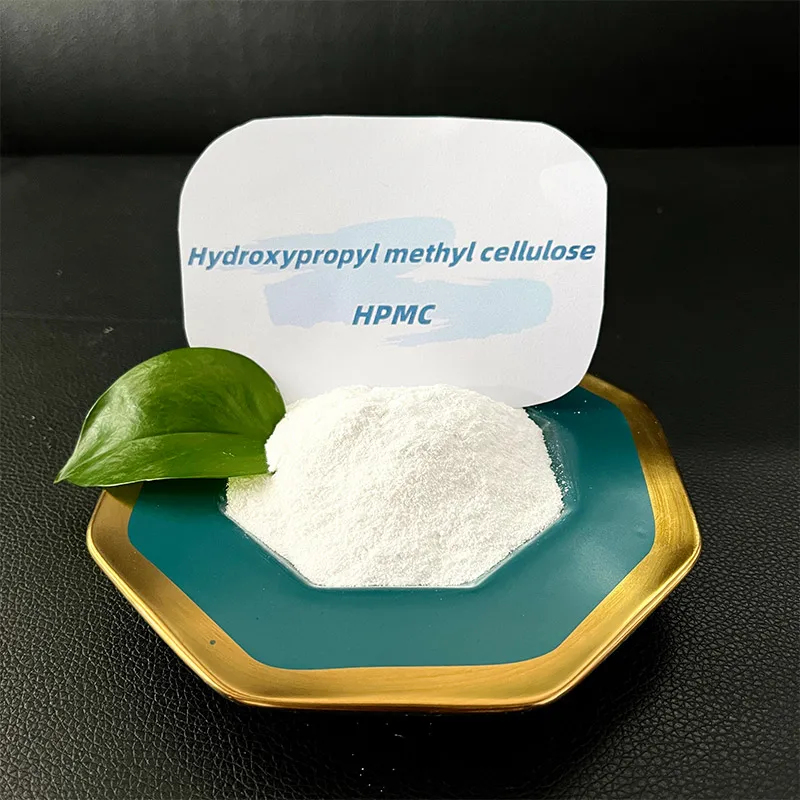
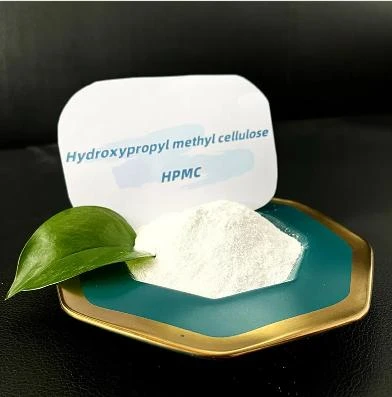
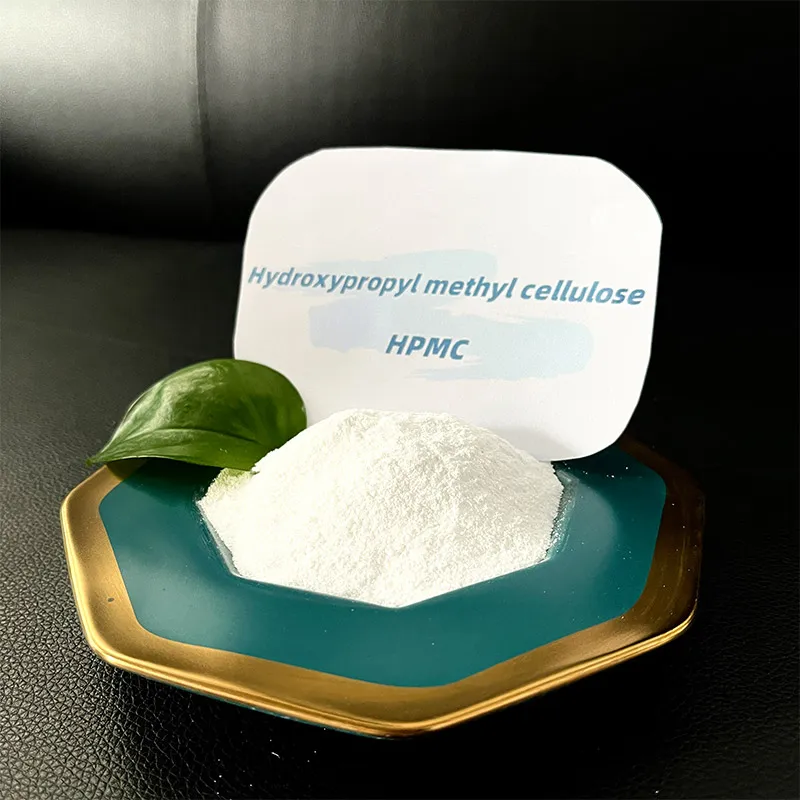
Hydroxypropyl methylcellulose (HPMC) and methyl hydroxyethyl cellulose (MHEC) are both crucial compounds in the construction and pharmaceutical industries, primarily known for their roles as thickeners, binders, and emulsifiers. Despite their similar appearances and overlapping functions, distinct chemical compositions and properties set them apart, leading to their unique applications. HPMC is a nonionic cellulose ether derived from the chemical modification of cellulose through methyl and hydroxypropyl groups. This modification lends HPMC several distinct properties, such as high water retention, film formation, and thermal gelation abilities. These characteristics make it indispensable in the construction industry, particularly in tile adhesives, cement renders, and gypsum products. Its ability to retain moisture is crucial in preventing cracking and improving workability during construction applications. Moreover, HPMC's bio-compatibility and non-toxic nature make it highly suitable for pharmaceutical applications, including drug delivery systems for controlled release, where precise administration of medication is paramount. On the other hand, MHEC, which boasts modifications with methyl and hydroxyethyl groups instead, has been designed to exhibit a high level of solubility in cold water and improved workability in formulations. This makes it particularly valuable for applications requiring excellent water retention and slip resistance, such as in the formulation of cement-based mortars. MHEC effectively enhances adhesion and open time, essential in ensuring superior bonding and satisfactory application of paints and coatings. Additionally, its ease of dissolution in both hot and cold water grants it versatility and adaptability across an array of conditions. When comparing HPMC and MHEC, it's essential to highlight their distinctive thermal gelation properties. HPMC exhibits a more clearly defined gel point temperature, making it advantageous for products requiring stability under varied temperature conditions. This characteristic is particularly pivotal in construction settings where temperature fluctuations can significantly impact material performance. MHEC, while also possessing thermal gelation capabilities, delivers slightly different responses to temperature changes, which can be selected based on specific application needs. difference between hpmc and mhec Sustainability and safety are ever-increasing concerns in contemporary industrial practices. Both HPMC and MHEC align well with these values, as they are derived from natural cellulose and are biodegradable. However, HPMC is often preferred in the pharmaceutical sector due to its long-standing safety profile and extensive research supporting its use in consumable products. MHEC, while also safe, does not boast the same depth of usage history in the pharmaceutical industry, which may influence its selection for certain drug formulations. Application cost is another factor distinguishing HPMC from MHEC. While both cellulose ethers are similarly priced, slight variations can occur based on supply chain dynamics and regional availability. Generally, the choice between these two compounds will hinge on the specific functional requirements of the application rather than economic differences . Decision-makers in industries where precise formulations are critical should conduct rigorous testing to determine which compound best meets their needs. In conclusion, while both HPMC and MHEC serve as valuable assets in numerous industrial applications, careful consideration of their unique properties and specific application requirements is imperative. The differences in solubility, thermal behavior, and historical usage suggest that neither is inherently superior but rather suited to different scenarios. By leveraging the precise attributes of each cellulose ether, companies can optimize their formulations for improved performance and cost-effectiveness. Understanding these nuances not only enhances manufacturing processes but also aligns product development with evolving industry standards and sustainability goals.
-
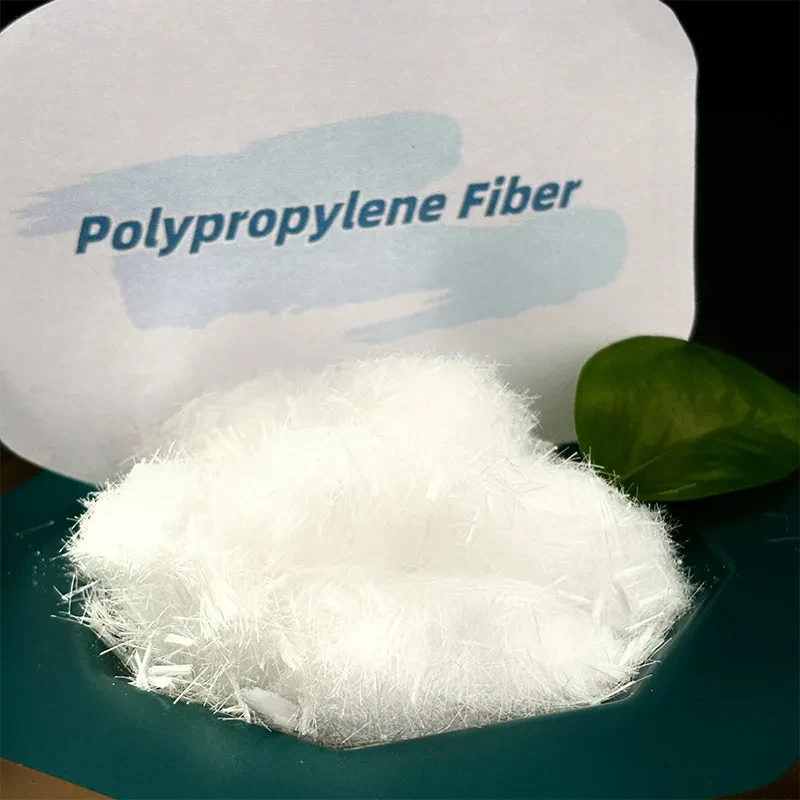
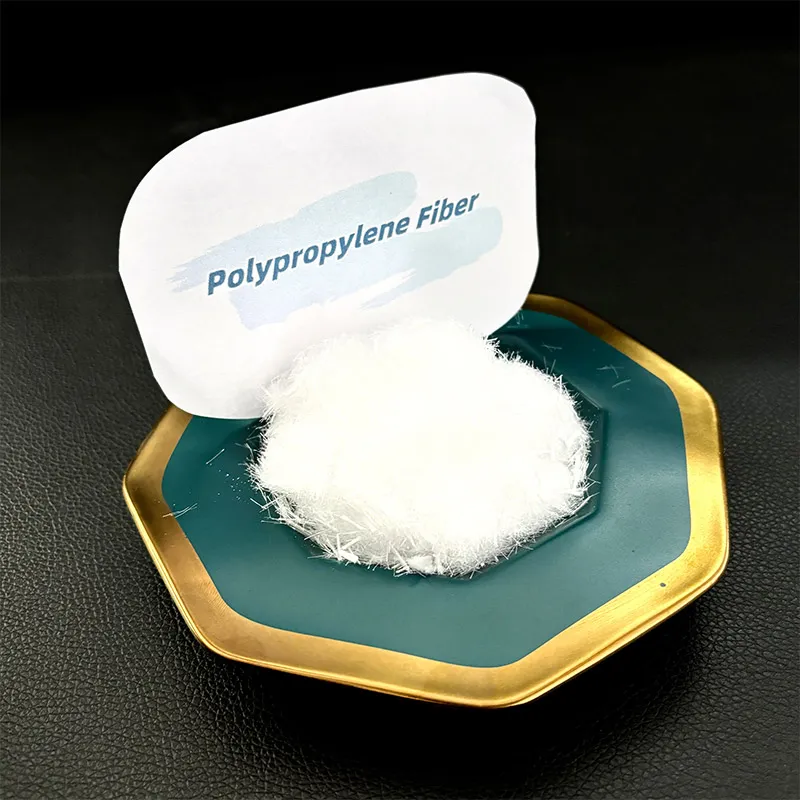
Concrete polypropylene fibers have revolutionized the construction landscape, offering an innovative solution to the age-old challenges in building materials. These synthetic fibers bring a myriad of benefits that enhance the structural integrity and durability of concrete infrastructures, and their real-world applications are proving them to be indispensable. In practice, builders and engineers alike have recognized the transformative impact of incorporating polypropylene fibers into concrete mixtures. Through firsthand experience, seasoned professionals have observed that these fibers significantly reduce cracking tendencies. Post-construction, this feature translates to lowered maintenance costs and extended longevity of concrete structures, creating a cost-effective solution in both short-term and long-term scopes. From the standpoint of expertise, it’s crucial to delve into the composition and benefits that make concrete polypropylene fibers stand out. Originating from thermoplastic polymers, these fibers offer high resistance to various physical and chemical impacts. The expert consensus highlights the fibers’ strength in enhancing resistance to freeze-thaw cycles, a common concern in regions with fluctuating climates. By reinforcing the concrete matrix, polypropylene fibers decrease permeability and offer enhanced protection against water infiltration, thus maintaining the structural integrity over time. In laboratory environments, precise tests have consistently demonstrated the advantages of these fibers. Researchers specializing in materials science have empirically validated that polypropylene fibers improve impact resistance and mitigate splitting, especially in high-traffic areas like pavements and industrial floors. These findings are corroborated by data showing reduced occurrences of micro-cracking during the curing process, setting a new benchmark in concrete durability. Authoritative bodies in the construction industry have recognized the benefits of using polypropylene fibers, therefore endorsing their use through updated building codes and standards. Organizations such as the American Concrete Institute (ACI) and the British Standards Institution (BSI) have integrated guidelines that recommend the use of synthetic fibers for concrete reinforcement. This endorsement not only reflects the growing trust in these materials but also guides best practices in application techniques. concrete polypropylene fibers Credibility in using concrete polypropylene fibers is further established through numerous successful projects globally. An exemplar is the construction of high-rise buildings in seismic zones, where the fiber-reinforced concrete has provided enhanced structural stability. Engineers involved in these projects report that the fibers allow for more flexible and adaptive designs, accommodating various architectural specifications without compromising safety or quality. Bringing a practical perspective, contractors with extensive field experience often highlight the ease of using polypropylene fibers during concrete mixing and pouring. Unlike traditional reinforcement methods, these fibers distribute uniformly throughout the mix, ensuring comprehensive protection and reinforcement. This uniformity contributes to a smoother preparation process and ultimately, superior finish quality in architectural applications. Trust in polypropylene fibers is also underscored by their environmental benefits . As sustainable building practices gain traction, these fibers contribute to eco-friendly construction goals by potentially reducing the need for other less sustainable reinforcement materials. Their production and integration result in a smaller carbon footprint, making them a fitting choice for projects aiming for green certifications and reduced environmental impact. In conclusion, the integration of concrete polypropylene fibers marks a significant advancement in modern construction practices, addressing long-standing challenges with innovative solutions. Professionals armed with both empirical evidence and field data assert that these fibers deliver unparalleled benefits in terms of durability, cost-efficiency, and environmental impact. As industry standards continue to evolve, the reliance on, and trust in, polypropylene fibers is poised to grow, positioning them as a key component in the future of sustainable and resilient construction.
advantages
-

200000 Viscosities
Excellent product
We can produce pure products up to 200,000 viscosities
-

40000 tons
High yield
We don’t stop production all year round, and the annual output can reach 40,000 tons
-

24 hours
Quality service
We provide 24-hours online reception service, welcome to consult at any time
———— Inquiry Form
Schedule A services

-
 chine_fabricant_de_hpmc-hydroxypropylmethylcellulose
Oct . 25, 2025
Hydroxypropyl methylcellulose (HPMC) is a versatile cellulose ether that has gained significant trac -
 methylcellulose_used_in_pharmaceuticals
Oct . 25, 2025
Hydroxymethyl cellulose , often encountered in its more prevalent derivative form hydroxypropyl meth -
 how_to_make_hpmc_gel
Oct . 25, 2025
Methylcellulose An Essential Excipient in Pharmaceutical Innovations In the realm of pharmaceutical


